
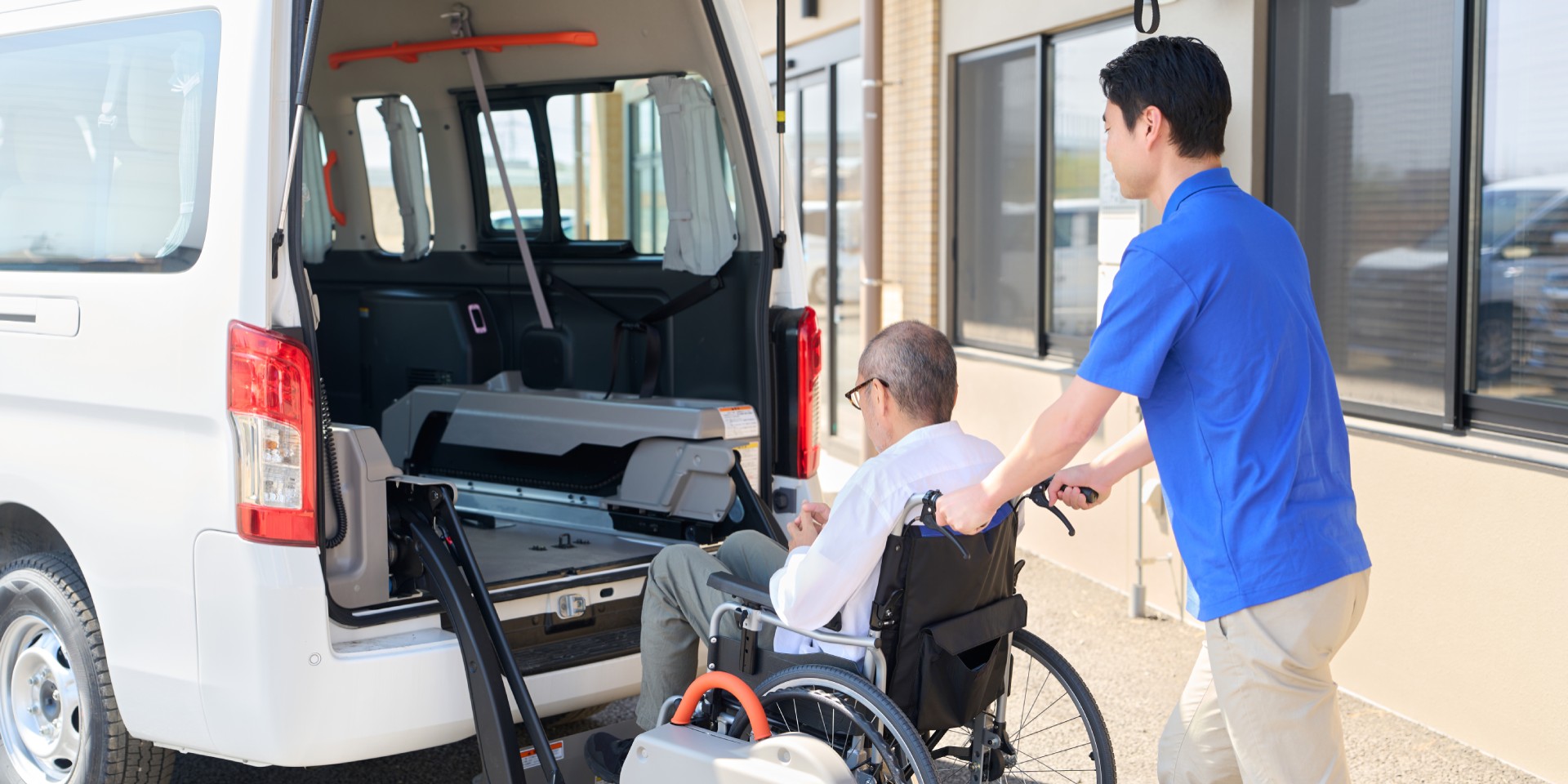
Five years ago, we published an article titled, “Three Reasons RCFEs Shouldn’t Provide Transportation to Residents.” Why do we feel so strongly? The liability alone could end up costing you major amounts of money. (The liability insurance policy you have in place likely only covers incidents on your property.) On top of that, we pointed out all the resources, namely time, you would need to get your staff to schedule outings, then drive your residents around.
Since it’s been a while since we explored this topic, we thought we should resurface it.
The risks that come with RCFE transportation services
Risk around transporting your residents starts the moment you leave your front door. Getting them to, into, and out of vehicles requires them to navigate over curbs, lower or raise themselves into the vehicle, and more. The risk of a fall is high.
Beyond that, offering transportation can add challenges as your residents’ mobility needs change. If one of your residents ends up in a wheelchair, for example, you could then need to get a larger vehicle to transport their chair.
Then, of course, there’s always a risk of a car accident. Your residents may be living with osteoporosis or other issues that make them more likely to sustain a serious injury in even a minor fender-bender.
On top of all of this, even when you get to the location, risks continue. If a resident with memory challenges gets lost, for example, you could be held responsible.
Managing those risks if you drive residents around
All of that said, many residents and their families see transportation services as a must-have. You may decide it’s worth it for your facility to provide transport. If you do, make sure you talk with your RCFE insurance broker before your team drives a single mile.
To fully cover your risks, you likely need some combination of:
- Commercial auto insurance, including commercial auto liability (or, if you’re going to use your residents’ vehicles, employees are willing to use their own cars, or you plan to rent, ask about hired and non-owned auto coverage [HNOA])
- General and professional liability insurance
- Umbrella liability insurance to cover any costs above your other liability policies’ limits
Also, be sure you implement risk management measures around your drivers. Get their written consent so you can look at their motor vehicle record. Keep a copy of their license on file, too.
Meanwhile, establish processes around vehicle maintenance, driver training (including emergency response), and securing any residents’ wheelchairs.
Alternatives to RCFE-provided transportation
If you decide to forego your own transportation services, you can still help your residents get around. Start by checking to see if your municipality has a Dial-A-Ride option. Alternatively, your team can help residents order Ubers and Lyfts. Or if the resident needs a ride to a doctor, your team can inquire with that medical office to see if they provide transportation.
Obviously, there’s a lot to consider here. Whichever route you take, it’s important to talk with your insurance broker to make sure you have the coverage you need. We’re here to help with precisely that. Contact our team at InsureMyRCFE at (805) 413-5668 today.