
When you manage a Residential Care Facility for the Elderly (RCFE), happy, healthy residents are one of your top priorities. That doesn’t have to be completely altruistic, either. When the people who live on-site are doing well, they need less from your team. These residents help to keep your risk lower, too.
In the pursuit of healthy, happy residents, you might consider allowing pets at your RCFE. This warrants some careful thought.
Key considerations before allowing pets
If you’re thinking about allowing residents to bring their own pets, you need to weigh the potential drawbacks against the upsides.
The pros of pets at RCFEs
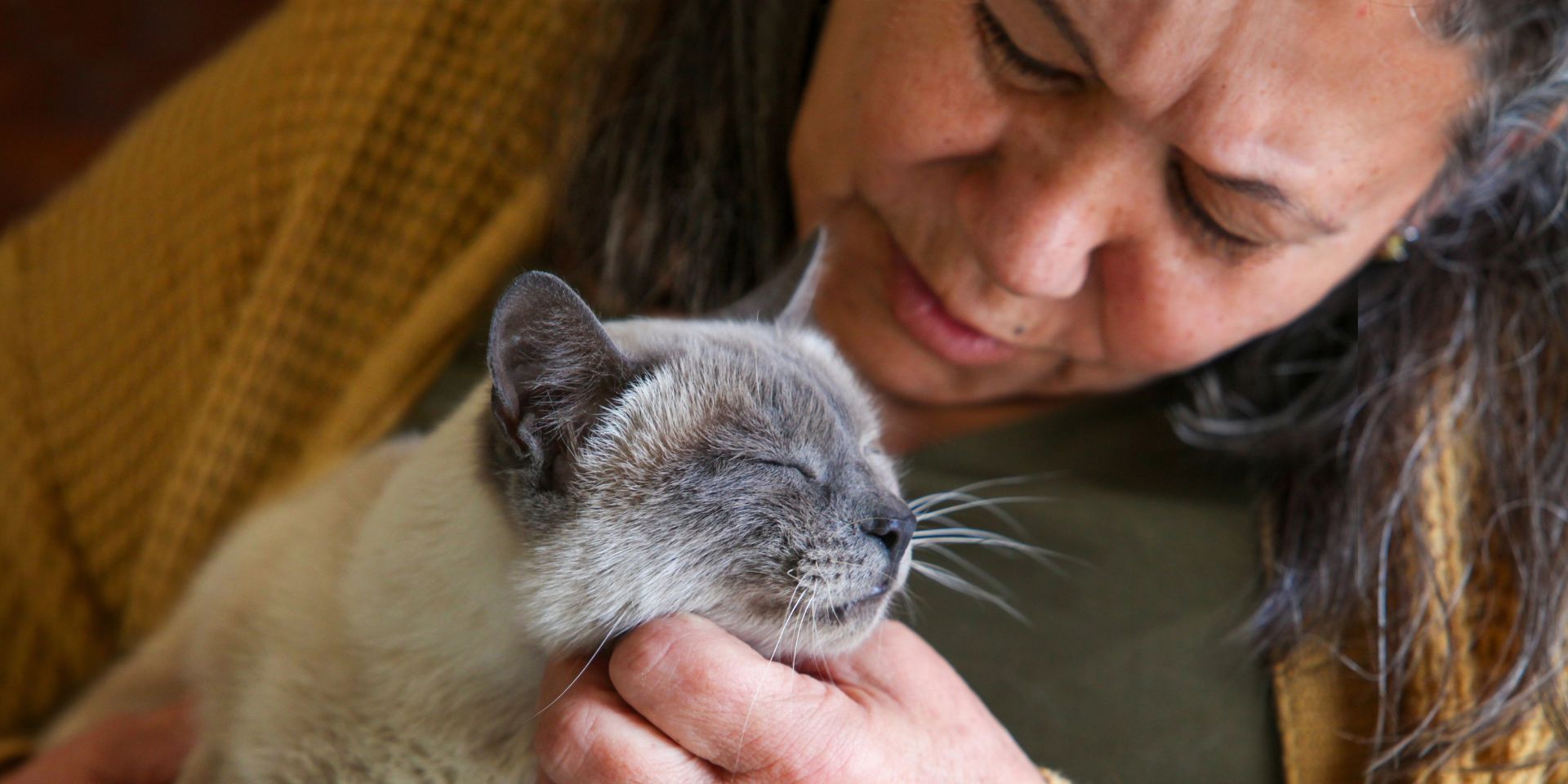
Allowing your residents to have pets can help you accomplish your roles of greater health and happiness. Studies show that elderly people who are pet owners often reap physical and mental health benefits.
The American Psychiatric Association says that pet ownership has protective functions for cognitive ability, too. More studies show it can slow cognitive decline, reduce the risk of dementia, and slow disease progression in people with Alzheimer’s.
Plus, having a pet can help older people feel less lonely and stressed. And owning a dog encourages them to get active more frequently, too.
Finally, allowing pets can give you a leg up against the competition. People love their animals. Providing a place they can stay together can help you attract more residents.
The cons of pets at RCFEs
While a pet might be great for the individual resident, it does introduce some potential challenges for your facility. Cats might scratch up the furniture, and poorly trained dogs could mark the walls or floors. Having animals on-site introduces challenges around cleaning up pet waste and mitigating the risk of pests like fleas.
Most pressingly, pets can introduce risk for other residents. Some people are allergic to animal dander. Others might feel uncomfortable around certain kinds of animals, particularly large dogs. And there’s always the risk a pet could knock someone over or scratch or bite them.
Finding the right pet policies for your facility
Before you decide to create pet-friendly policies at your RCFE, you should have two conversations.
First, ask current residents about their comfort level with pets. It’s one thing to move into a facility knowing pets are allowed. It’s another to already be comfortably homed there, only to find out that you’ll now have unwelcome animal neighbors.
Secondly, talk with your insurance companies, especially the one(s) with your liability coverages. Ask if allowing pets would change your premiums or protections. Also ask if there are any exclusions you should know. Some liability policies specifically don’t include coverage for dog bites, for example.
If you do decide to allow pets, make sure you set clear criteria in place. Require vaccination records and regular veterinary care and grooming. You may also want to set limits on size, breed, and the kinds of animals you allow. Finally, consider establishing pet-free zones for your residents who have allergies or feel less comfortable around animals.
Deciding to establish pet-friendly policies requires some careful consideration. We can help you decide if this course is right for your facility. To talk with RCFE liability insurance experts, contact our team at InsureMyRCFE. You can call us at (805) 413-5668 today.